Leaderboards and Their Influence on Motivation Within Blended Genre Digital Play Spaces
Jakob Keller · Aug 21, 2026
Leaderboards and Their Influence on Motivation Within Blended Genre Digital Play Spaces
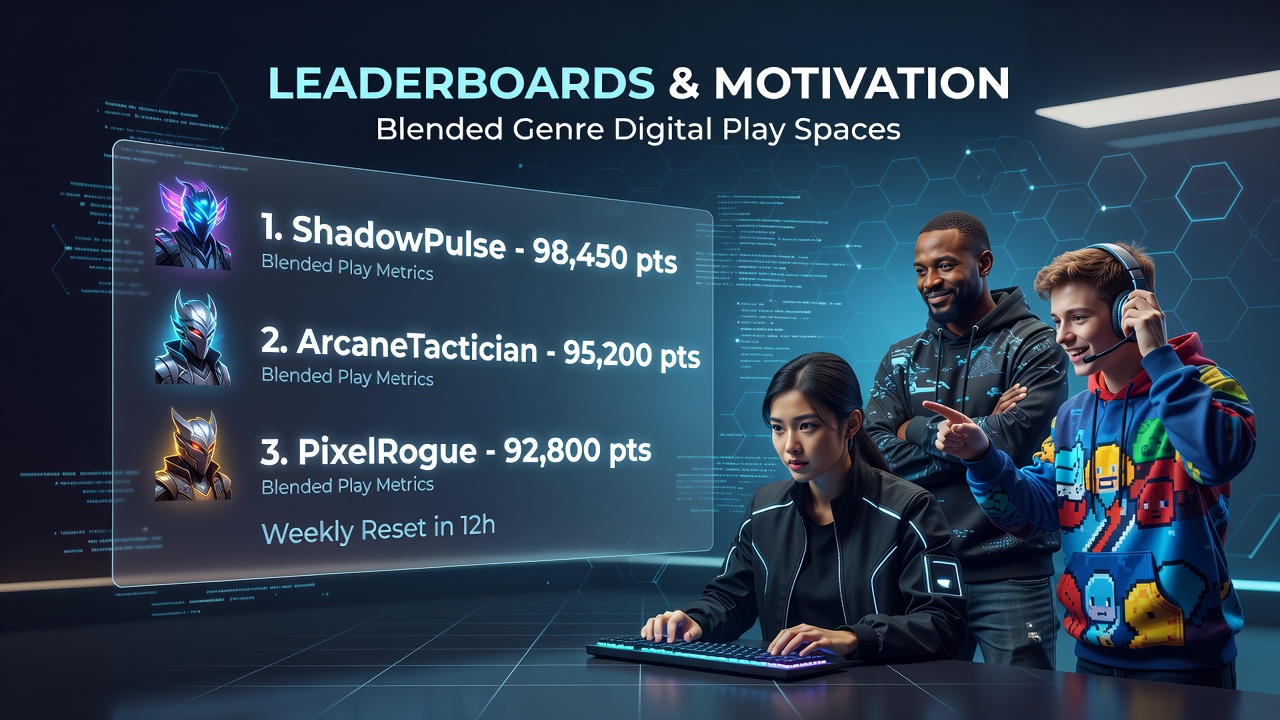
Leaderboards have become a central feature in many browser-based digital play spaces that combine multiple genres, and researchers have tracked their effects on player engagement across these hybrid environments since the early 2020s. Data from industry reports show that rankings systems appear in titles mixing action sequences with puzzle mechanics or athletic simulations with adventure components, and these tools often present performance metrics that update in real time for participants around the world.
Mechanics of Leaderboards in Hybrid Game Formats
Blended genre platforms integrate competitive tables that display scores from diverse activities such as timed puzzle solutions alongside team-based sports maneuvers, and developers adjust these displays to reflect both individual achievements and group outcomes. Studies conducted by academic teams in Europe and North America indicate that such integrations allow players to compare progress across different skill sets while participating in single sessions, and this structure has expanded notably by August 2026 as more free web multiplayer titles adopt cross-genre frameworks.
Platforms frequently update leaderboard criteria to include variables like completion speed in logic challenges combined with accuracy rates in simulated athletic events, which encourages participants to refine strategies that span multiple play styles. Figures from gaming research institutions reveal that these combined metrics sustain longer session durations compared to single-genre rankings alone, since players encounter varied challenges that feed into the same overall position calculations.
Documented Effects on Player Engagement Patterns
Analyses from university studies in Australia and Canada demonstrate that visible rankings correlate with increased return visits in blended digital spaces, where users track their standing relative to others who excel in different aspects of the same game. One longitudinal review covering 2024 through 2026 found that participants who monitored leaderboard positions completed additional rounds of mixed puzzle and action sequences at higher rates than those who did not, and this pattern held across both casual and dedicated player groups.
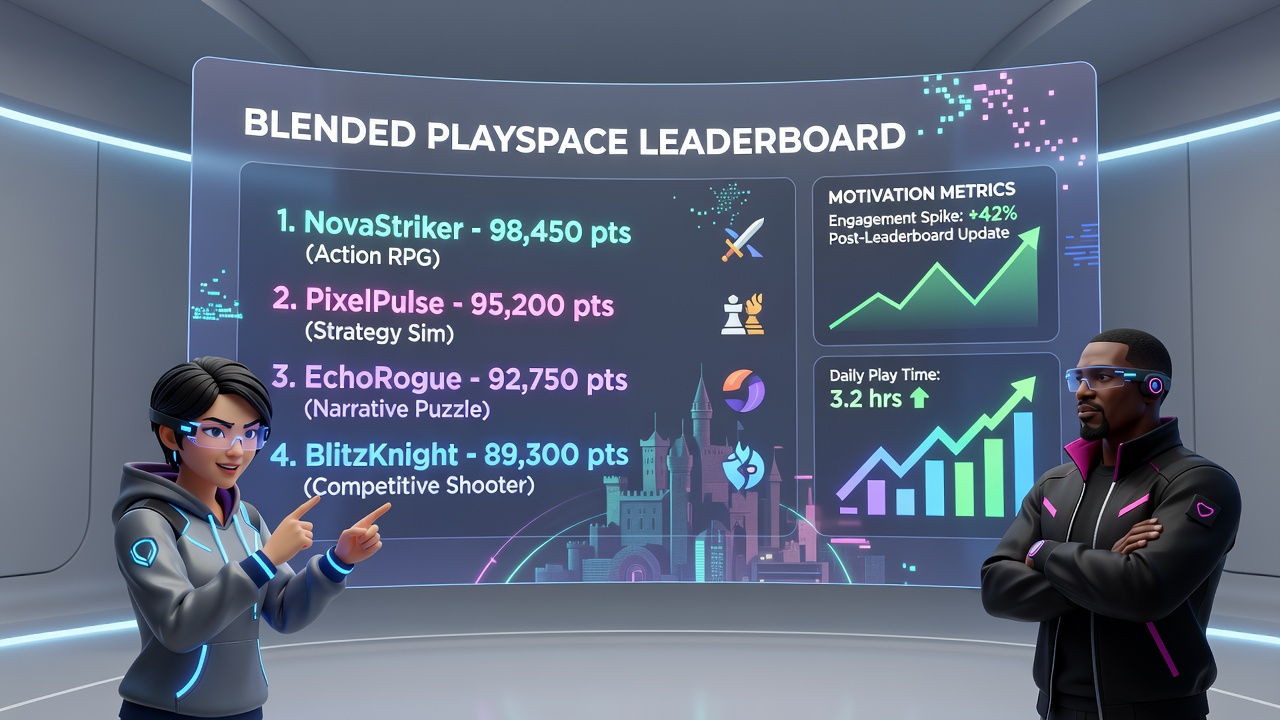
Industry associations in Asia and the European Union have collected data showing that leaderboards integrated into hybrid environments often prompt players to experiment with new combinations of mechanics, such as applying rhythm timing skills from one mode to improve performance in an endurance-based sports segment. These shifts in behavior appear consistently in aggregated usage statistics, where players adjust their approaches based on what the current top entries emphasize.
Comparative Data Across Regions and Platforms
Reports issued by research bodies in the United States and the United Kingdom highlight regional differences in how leaderboards influence participation, with North American users responding more strongly to frequent resets of ranking periods while European cohorts show steadier engagement when tables accumulate historical data. By August 2026, several browser platforms had introduced region-specific filters that allowed players to view standings within localized communities or global pools, and usage logs indicate these options altered how motivation translated into repeated play sessions.
Trade organizations focused on digital entertainment have noted that blended genre titles employing leaderboards experience measurable differences in community interaction levels, since players discuss strategies for climbing positions that require mastery of multiple game elements simultaneously. Such discussions often occur on integrated forums or external sites, and they contribute to knowledge sharing that extends beyond individual matches.
Technical Implementations and Algorithm Adjustments
Developers employ algorithms that weigh contributions from varied gameplay modes when calculating leaderboard positions, and these systems frequently incorporate safeguards against exploitation such as verification checks on submitted scores. Research papers from institutions in Japan and Brazil describe how adaptive weighting prevents dominance by specialists in one genre at the expense of balanced participation across the full title, and updates to these formulas continue as player data accumulates.
Integration with matchmaking systems further ties leaderboard performance to session pairing, where higher-ranked individuals encounter opponents or collaborators with comparable mixed-skill profiles. This linkage appears in several prominent free browser titles, and telemetry from 2025 onward shows it maintains competitive balance while encouraging continued improvement across all incorporated mechanics.
Conclusion
Leaderboards in blended genre digital play spaces continue to shape participation metrics through their presentation of combined performance data, and ongoing research tracks these patterns as platforms evolve. Available statistics from multiple continents confirm that rankings influence session frequency and strategic experimentation, while technical refinements address fairness across diverse player bases. As browser-based hybrids expand in 2026 and beyond, these systems remain a documented factor in how users allocate time and effort within such environments.