Layered coordination signals reshaping group tactics across accessible digital athletic challenge networks
Jakob Keller · Aug 26, 2026
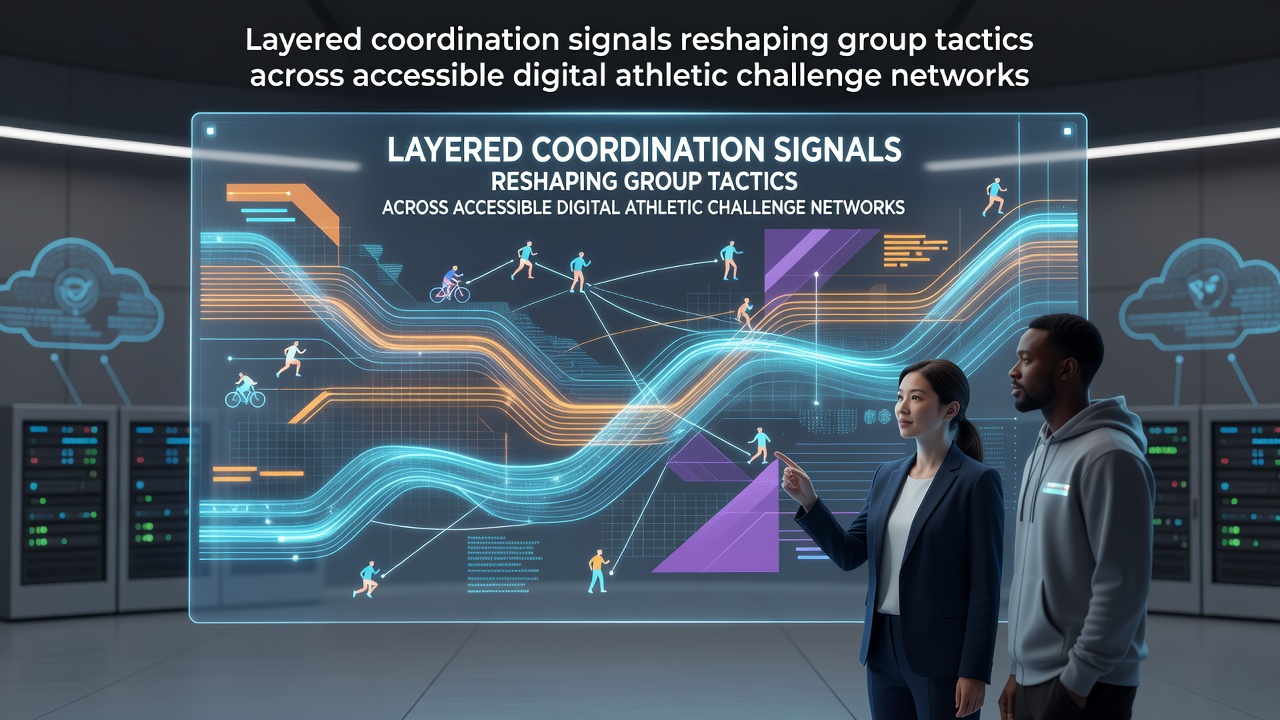
Layered coordination signals reshaping group tactics across accessible digital athletic challenge networks
Layered coordination signals have emerged as central mechanisms that allow teams to synchronize movements, adapt strategies, and respond to dynamic conditions inside accessible digital athletic challenge networks, and these signals combine visual overlays, audio cues, timing markers, and shared data streams that players access through standard web browsers without specialized hardware. Researchers tracking participation trends note that such systems have expanded rapidly since early browser multiplayer platforms introduced basic ping tools, yet the current generation integrates multiple information layers that operate simultaneously during matches.
Platforms hosting these networks process signals in real time so that one layer might display positional highlights while another transmits rhythmic audio pulses that indicate phase transitions or resource availability, and data from industry reports shows average session lengths increasing when teams utilize combined cues rather than single-channel prompts. Observers following competitive brackets in August 2026 recorded higher completion rates for endurance-style challenges when groups employed sequential visual-audio layering instead of relying solely on text chat or simple map markers.
Signal architecture in browser environments
Accessible networks deliver these layers through client-side scripts that render color-coded paths, pulsing indicators, and synchronized soundscapes without requiring downloads, and developers have refined compression techniques so that even modest connections maintain consistent delivery. Studies conducted by academic teams at institutions across North America and Europe indicate that players interpret layered inputs faster when the system prioritizes spatial audio alongside visual anchors, leading to measurable reductions in miscommunication during group maneuvers.
Engineers designing these frameworks often reference modular signal protocols that allow organizers to toggle individual layers based on match rules, whereas earlier iterations forced uniform broadcasts that sometimes overwhelmed participants. Figures from digital participation surveys reveal that networks offering customizable layer controls saw retention rates climb steadily through mid-2026, particularly among groups competing in mixed puzzle-athletic formats.
Impact on collective decision making
Teams operating within these environments use layered signals to establish shared references that replace lengthy verbal exchanges, so a single audio pulse combined with a highlighted trajectory can convey complex instructions in under a second. Research compiled by the Interactive Software Federation of Europe demonstrates that such efficiency gains appear most pronounced in larger squads where voice channels become congested, and similar patterns surface in reports issued by Canadian digital media observatories tracking browser-based athletic events.
One documented case involved a regional tournament series where organizers introduced adaptive rhythm layers that adjusted tempo according to remaining match time, and participants adjusted formation spacing more rapidly than in previous seasons that relied on static indicators alone. Data collected during those events showed coordination errors dropping by measurable margins once the layered approach stabilized across multiple rounds.
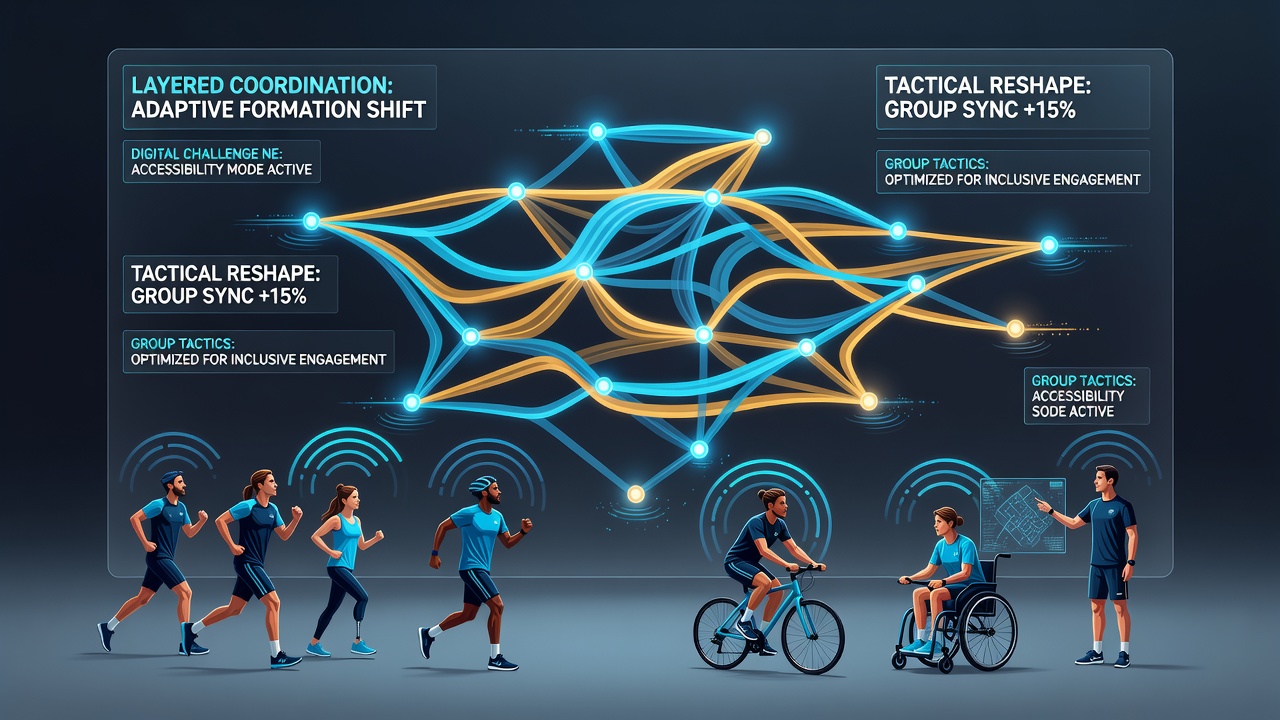
Technical constraints and accessibility considerations
Browser limitations continue to shape how deeply signals can be layered, because rendering engines must balance graphical density against frame stability on varied devices, and network operators address this by offering tiered signal density options that users select at match start. Accessibility guidelines published by international standards bodies encourage designers to include high-contrast modes and adjustable audio frequencies so that participants with sensory differences can still decode essential tactical information.
Implementation logs from several active platforms indicate that fallback mechanisms activate automatically when bandwidth drops below thresholds, preserving core coordination functions while stripping secondary visual flourishes. Those adaptations have allowed broader geographic participation, with servers in different regions reporting consistent uptake through the summer of 2026.
Future trajectories for signal integration
Developers continue testing hybrid layers that incorporate predictive elements derived from prior match data, allowing teams to anticipate opponent patterns through subtle preemptive cues rather than reactive adjustments alone. Industry analyses suggest that continued refinement will focus on reducing cognitive load while maintaining information richness, and cross-platform compatibility remains a priority so that signals function identically whether accessed via desktop browsers or mobile web views.
Conclusion
Layered coordination signals have become structural components that reshape how groups formulate and execute tactics across accessible digital athletic challenge networks, supported by ongoing technical improvements and participation data gathered through 2026. Continued observation of these systems will track how evolving architectures influence collective outcomes in browser-hosted environments.