How Avatar Customization Influences Social Bonds in Group-Based Digital Athletic Mystery Challenges
Paul Patterson · Sep 27, 2026
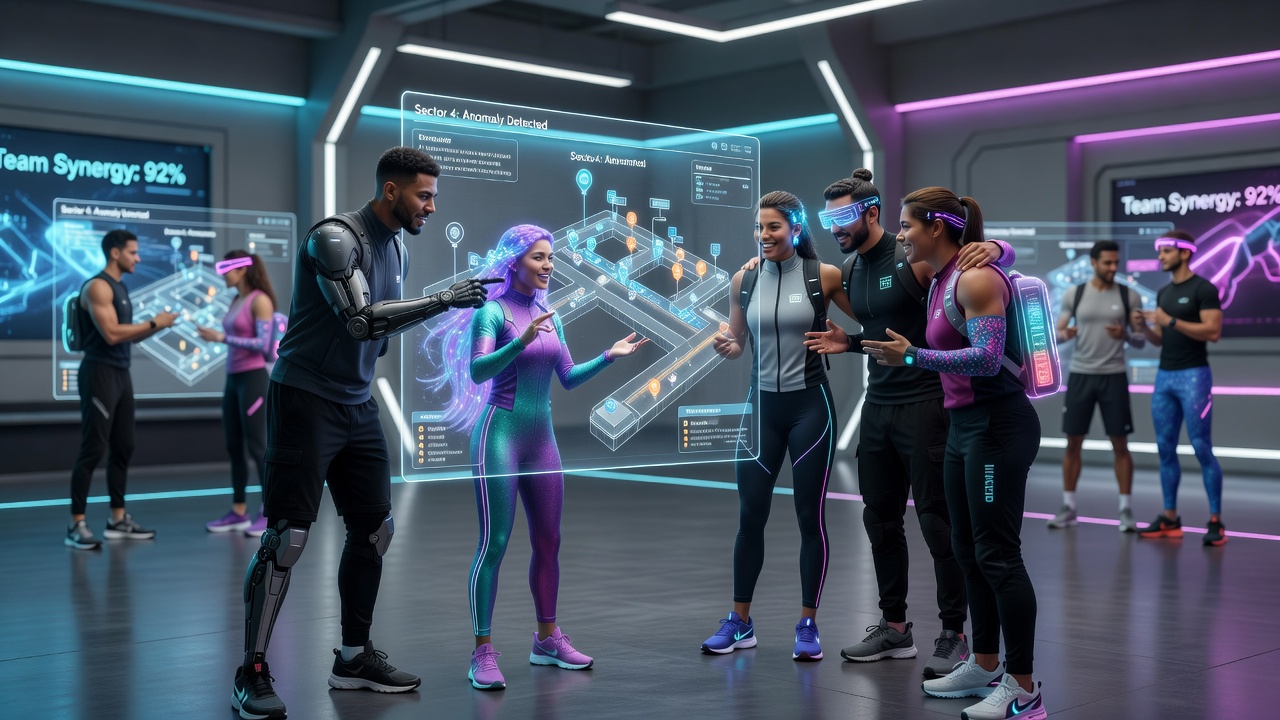
How Avatar Customization Influences Social Bonds in Group-Based Digital Athletic Mystery Challenges
Group-based digital athletic mystery challenges combine team-oriented virtual sports mechanics with layered puzzle elements where participants solve environmental riddles while competing in coordinated physical simulations, and avatar customization serves as a central mechanism for establishing initial connections among strangers who enter these shared spaces. Data from multiple gaming platforms shows that players who invest time in altering visual traits, accessories, and color schemes on their avatars report higher rates of repeated team formations within the same communities, while those using default options tend to cycle through more transient groups.
Mechanics of Avatar Systems in These Challenges
Platforms hosting these experiences allow adjustments to body proportions, facial features, clothing layers that reflect athletic performance themes, and symbolic markers tied to puzzle-solving roles such as decoder badges or route-mapping tools. Research conducted across browser-based titles indicates that these options create visual shorthand for player intent, enabling quick assessments of compatibility before matches begin, and figures from industry tracking services reveal that customization depth correlates with session duration in team formats. Observers note that when participants align avatar styles with specific challenge archetypes, such as endurance runners or clue interpreters, group cohesion metrics improve as measured by completion rates of multi-stage athletic puzzles.
Social Identification Through Visual Choices
Studies on virtual identity formation demonstrate that distinctive avatar elements help individuals signal expertise or play style to potential teammates, which accelerates trust-building during high-pressure segments like timed stadium traversals combined with hidden object hunts. According to findings from the University of Toronto's digital media research group, players who modify avatars to include regional symbols or coordinated team palettes experience elevated interaction frequency, including voice chat invitations and post-session planning discussions, compared with those maintaining generic appearances. This pattern holds across sessions logged in 2025 and continues into projections for September 2026 updates that expand accessory libraries with dynamic lighting effects tied to puzzle progress.
Impact on Team Dynamics and Retention
Longitudinal data collected from multiplayer logs shows that groups featuring customized avatars maintain higher retention across weekly events, since visual consistency aids memory of past collaborations and reduces the cognitive load of relearning teammate capabilities each time. What's interesting is how shared customization themes, such as matching gear sets earned through joint victories, reinforce collective identity without requiring explicit verbal agreements, and this effect appears stronger in mystery-focused athletic formats than in pure sports simulations. Reports from the Interactive Games and Entertainment Association in Australia highlight that communities emphasizing avatar personalization see reduced dropout rates during extended campaigns, where puzzle sequences span multiple athletic stages and demand sustained coordination.
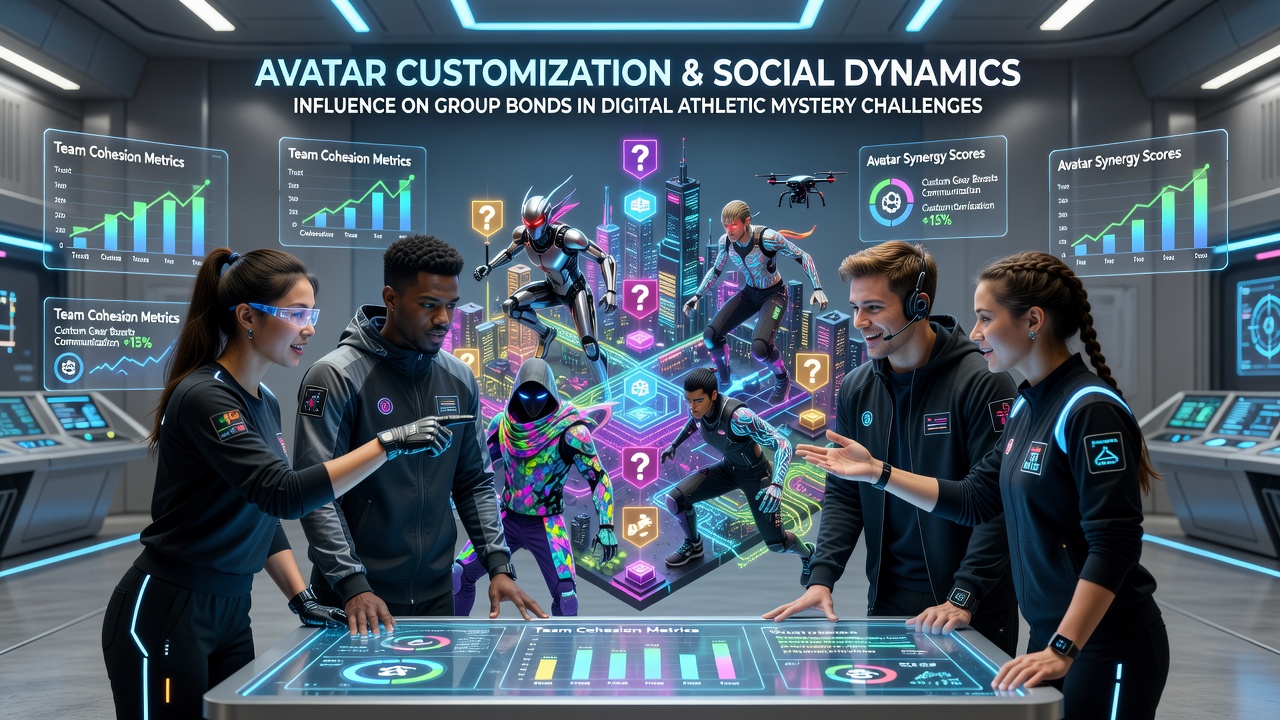
Customization Features Driving Interaction Patterns
Advanced options include modular item swapping that carries over between challenges, allowing players to display progress through earned emblems or functional tools visible to others, and this visibility encourages mentorship behaviors where experienced users guide newcomers on effective builds. Evidence from European digital culture studies suggests that such features lower barriers to entry for new participants by providing conversation starters around aesthetic decisions, which then transition into strategy talks about route optimization or clue sequencing. Those who've examined session replays find that avatar-linked recognition leads to spontaneous subgroup formations, particularly when color schemes or accessory motifs align across multiple users in a lobby.
Broader Community Effects Observed in 2026
Platform analytics from the first half of 2026 indicate rising adoption of collaborative customization tools that let teams preview joint avatar themes before events, and these previews correlate with increased pre-match planning in forums and in-game channels. Researchers have documented cases where players who synchronize avatar elements across a roster report smoother execution of combined athletic and deductive tasks, such as relay-style puzzle handoffs during virtual competitions. Data shows these practices extend engagement windows, with repeat participation rising when visual identity cues remain consistent over sequential challenges.
Conclusion
Avatar customization in group-based digital athletic mystery challenges functions as an embedded social infrastructure that supports identification, coordination, and continuity among participants, with quantitative measures from platform data and academic inquiries confirming measurable influences on team formation and longevity. As these environments evolve through 2026, the integration of deeper personalization layers continues to shape how groups assemble and persist across athletic puzzle sequences.