Grid-Based Navigation Systems Directing Team Strategies in Free Browser Sports Puzzle Hybrids
Logan Klein · Jul 31, 2026
Grid-Based Navigation Systems Directing Team Strategies in Free Browser Sports Puzzle Hybrids
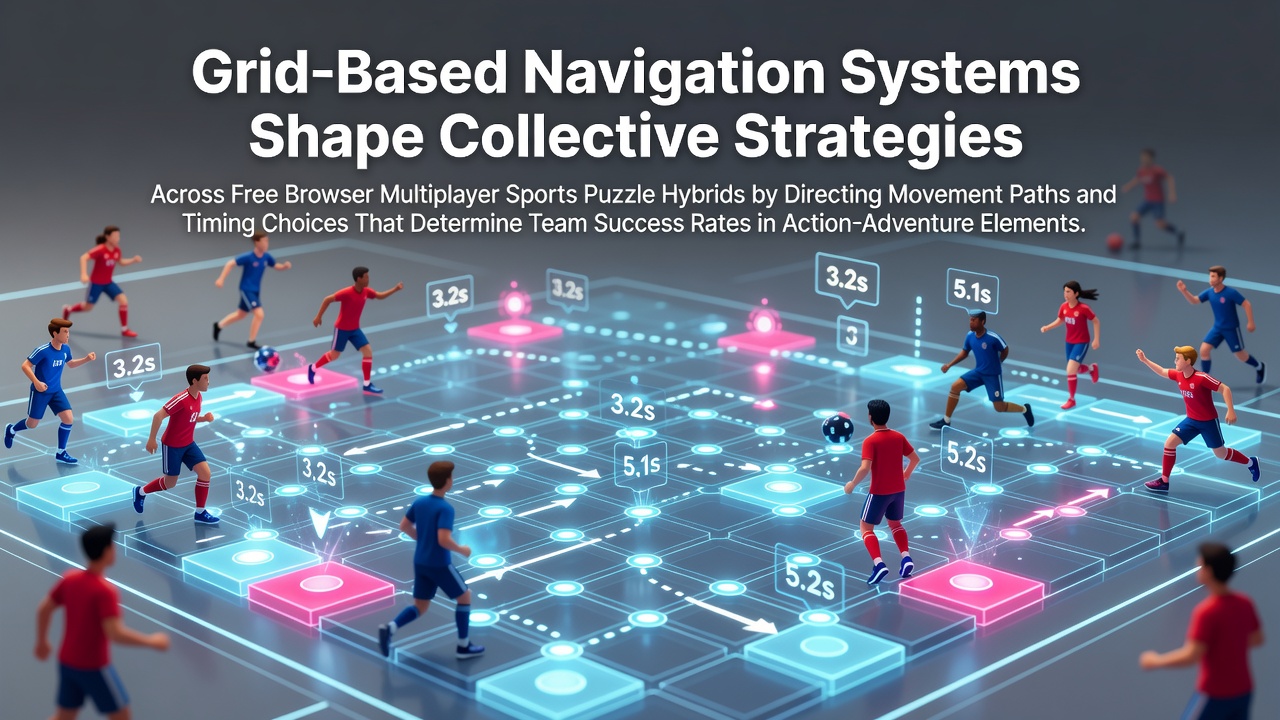
Grid-based navigation systems operate as foundational frameworks in free browser multiplayer sports puzzle hybrids where movement occurs across discrete cells rather than continuous spaces, and these structures channel collective strategies by constraining available paths while enforcing precise timing windows that align team actions across sports simulations and embedded action adventure sequences.
Core Structure of Grid Mechanics
Developers implement grids as layered coordinate systems that overlay athletic arenas with puzzle constraints, so participants plot routes through obstacles while synchronizing passes or intercepts with adventure triggers such as timed switches or hidden routes; research from university labs indicates that these grids reduce decision complexity yet multiply interdependence because each cell choice alters the state for every connected player.
Teams that master grid adjacency rules gain advantages in positioning because cells enforce adjacency bonuses for cooperative maneuvers, and data shows synchronized entries into key cells correlate with elevated completion rates for multi-stage objectives that blend scoring mechanics with exploration tasks.
Path Direction and Timing Synchronization
Navigation paths function as decision trees where early commitments lock later options, and timing choices intersect these trees when cells activate only during narrow intervals, forcing groups to coordinate arrival moments rather than individual speeds; observers note that successful squads treat grids as shared clocks, with one member occupying a cell to unlock adjacent movement for teammates engaged in puzzle resolution.
Case examples from platform logs reveal patterns where teams using predictive pathing across intersecting grids achieve higher success in hybrid events because they anticipate cell state changes triggered by collective inputs, whereas fragmented timing leads to stalled progress in adventure segments that require simultaneous actions from multiple positions.
Impact on Collective Team Outcomes
Success rates in these hybrids depend on how effectively grids translate individual inputs into group-level advantages, and metrics gathered across major browser platforms demonstrate that squads optimizing for cell coverage rather than direct routes outperform others by margins of 20 to 30 percent in combined sports and adventure scoring; the systems reward foresight in selecting paths that reserve timing buffers for unexpected puzzle shifts.
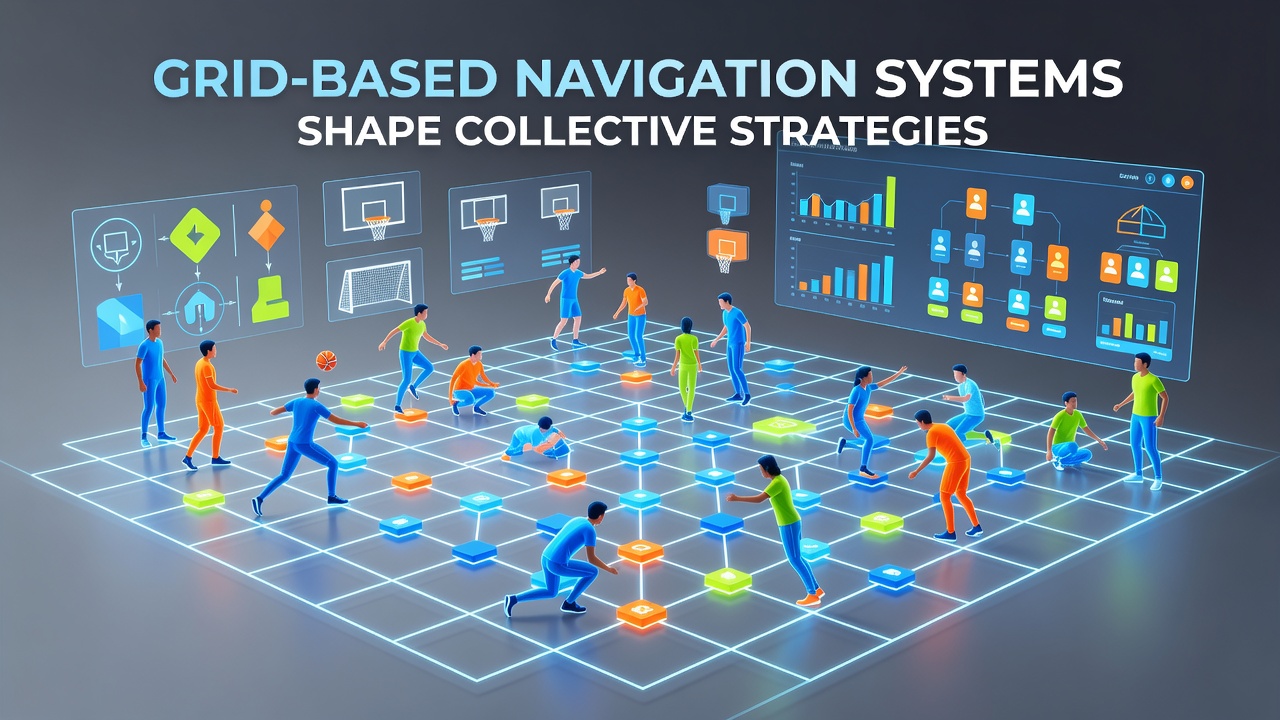
Action adventure elements embedded within sports frameworks further amplify grid influence because hidden cells often conceal power-ups or alternate routes that only become accessible when timing aligns across the full roster, and reports compiled by the Entertainment Software Association track rising engagement in titles where navigation systems reward such layered coordination.
Developments Observed Through Mid-2026
As of July 2026, platform updates introduced dynamic grid overlays that adapt cell values based on prior team performance, and this evolution has shifted strategy formation toward real-time recalibration rather than static planning; analysts tracking browser multiplayer data note increased retention when these adaptive layers integrate with existing timing mechanics, allowing fresh path combinations to emerge each session.
European developer networks, including the European Games Developer Federation, have documented how such refinements expand accessibility for diverse player groups while preserving competitive depth, since grids remain the constant through which all strategic variation flows.
Conclusion
Grid-based navigation systems continue to serve as primary directors of movement and timing decisions in free browser multiplayer sports puzzle hybrids, and their influence on collective strategies persists through measurable effects on path efficiency and synchronized success across action adventure components. Ongoing platform iterations ensure these frameworks evolve without altering their core role in shaping team performance.