Community Blueprints: How Player-Built Arenas Are Expanding Free Browser Sports Adventures Through Shared Design Tools
Ben Becker · Jul 24, 2026
Community Blueprints: How Player-Built Arenas Are Expanding Free Browser Sports Adventures Through Shared Design Tools
Player communities have developed shared design tools that allow users to create custom arenas for free browser sports games, and these tools continue to expand multiplayer options across various platforms. Data from industry reports indicate that browser-based sports simulations saw increased participation when communities began releasing blueprint files in open formats during 2025, which enabled wider access without requiring additional software downloads.
Shared Design Tools and Their Core Functions
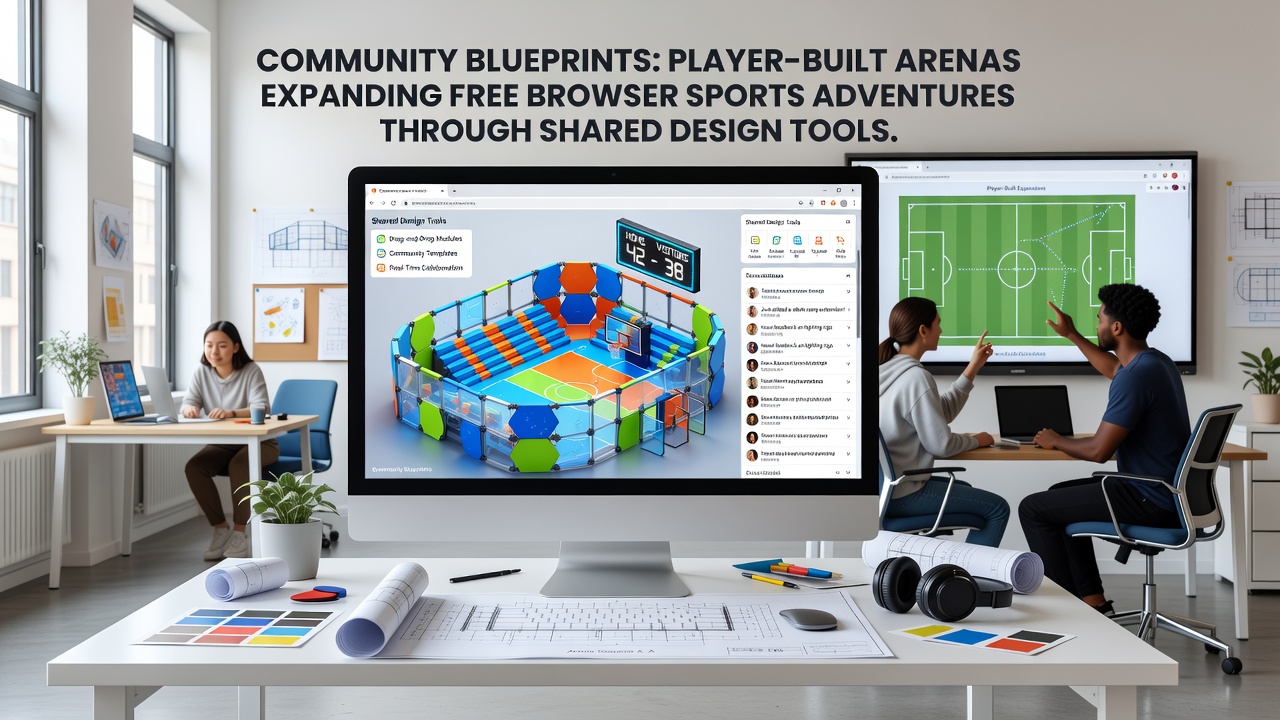
Design platforms integrated into browser environments provide drag-and-drop interfaces along with modular asset libraries, while users adjust parameters such as field dimensions, obstacle placements, and boundary rules through simple sliders and toggles. These systems connect directly to game servers so that completed blueprints upload and become available for others to load in real time, and synchronization protocols ensure that arena variations remain compatible across different browser versions and device types. Observers note that toolsets often include version control features which track edits from multiple contributors, allowing teams to refine layouts over successive sessions without losing prior iterations.
Expansion of Free Browser Sports Experiences
Custom arenas introduce new strategic layers to established sports formats, and players can modify elements like gravity zones or interactive surfaces that alter ball trajectories during matches. Research from the Entertainment Software Association shows participation in browser multiplayer sports titles grew by 18 percent year-over-year through mid-2025, with community blueprints accounting for a significant portion of new content additions. Game sessions now frequently incorporate player-designed maps that rotate automatically based on community voting systems, which keeps experiences varied and encourages repeated visits to the same platforms.
July 2026 Community Events and Blueprint Releases
In July 2026 several large-scale blueprint sharing events took place across major browser gaming portals, and participants uploaded thousands of arena files during coordinated weekends that highlighted collaborative building sessions. These events coincided with updates to design tool APIs, which improved export options and allowed creators to embed custom physics scripts that integrate with existing game engines. Figures from platform analytics reveal that arenas created during these periods received millions of plays within the first month, demonstrating sustained engagement when communities actively contribute to content pools.
Technical Integration and Compatibility Standards
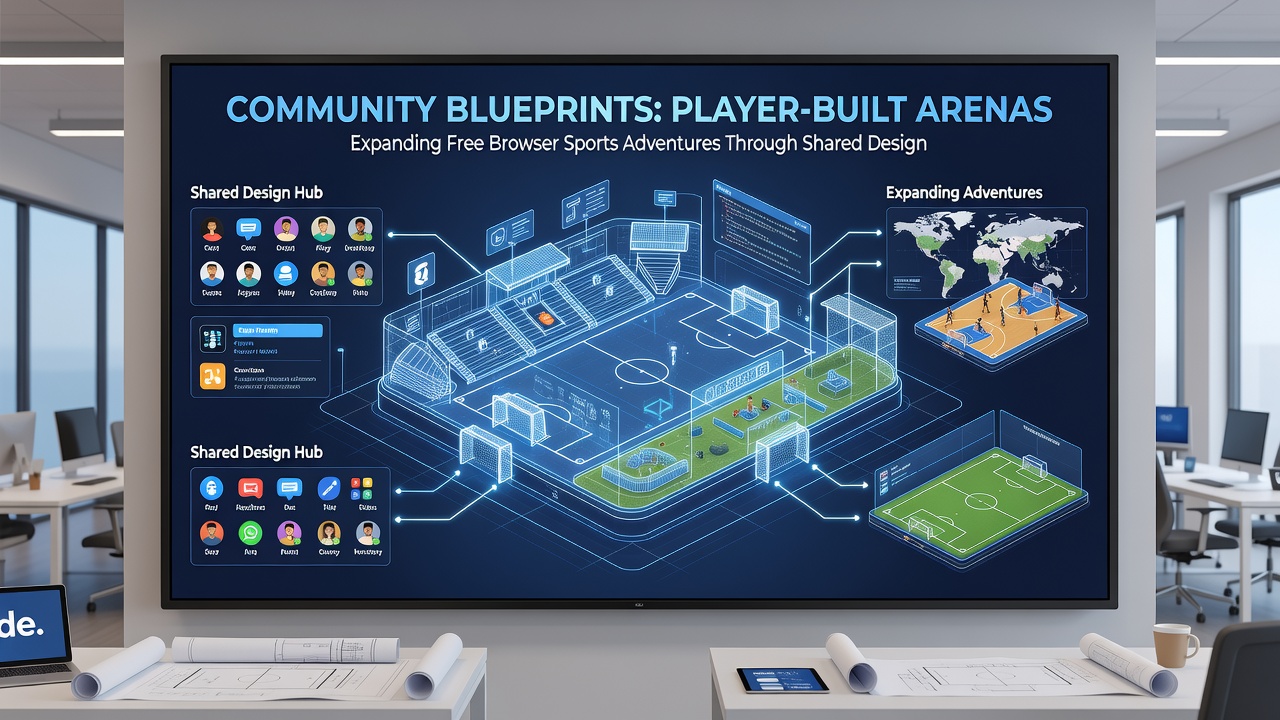
Developers maintain open standards that let blueprints function across different sports genres, and conversion utilities translate arena layouts from one game type to another while preserving core mechanics such as player movement speeds and scoring zones. Compatibility layers handle variations in rendering engines so that visual elements display consistently whether accessed through desktop browsers or mobile web views. Those who maintain these standards report that automated testing suites check each uploaded blueprint for balance issues before public release, which reduces instances of unplayable or overly dominant configurations reaching active servers.
Community Collaboration Patterns
Groups form around specific design challenges, and forums dedicated to blueprint creation host threads where creators share templates for elements like dynamic lighting setups or environmental hazards that respond to in-game events. Data indicates that collaborative projects often involve participants from multiple regions who contribute specialized assets such as region-specific textures or culturally influenced architectural features. These patterns create diverse arena collections that reflect global input, and matchmaking systems increasingly prioritize maps that incorporate contributions from varied creator backgrounds to promote balanced exposure.
Conclusion
Player-built arenas connected through shared design tools have broadened the scope of free browser sports adventures by enabling continuous content growth without centralized development cycles. Platform metrics from 2026 demonstrate that community contributions remain a primary driver of variety in these environments, while technical standards support ongoing integration of new blueprints into existing multiplayer frameworks.