Alliance Architects: Building Bonds via Strategic Layers in Free Web-Based Sports and Adventure Blends
Logan Klein · Aug 19, 2026
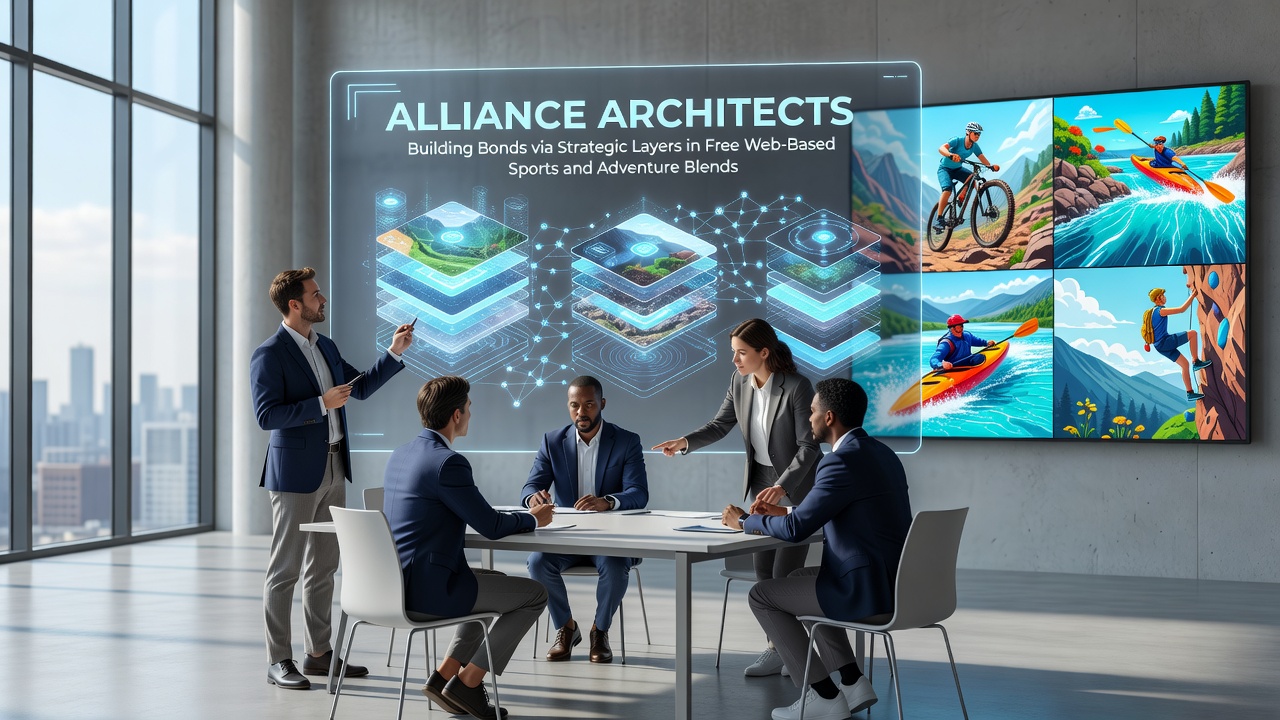
Alliance Architects: Building Bonds via Strategic Layers in Free Web-Based Sports and Adventure Blends
Free web-based games that blend sports simulations with adventure elements have seen growing interest in alliance-building systems, where players construct connections through layered strategies that combine competitive matches and exploratory quests. These platforms allow participants to form groups that share resources, coordinate tactics, and progress through combined challenges without requiring downloads or subscriptions. Data from industry reports indicate steady increases in multiplayer participation across such titles, particularly in regions where browser access remains widespread.
Core Mechanics of Strategic Layering
Strategic layers in these games operate as modular components that players stack during sessions, starting with basic team formations in sports modes and advancing to integrated adventure paths that unlock shared objectives. Observers note that each layer adds variables such as resource allocation, timing adjustments, and role assignments, which players must align to strengthen group bonds. Research from the Interactive Games and Entertainment Association shows that titles incorporating these elements maintain higher average session durations compared to standalone sports or puzzle formats.
Players often begin by selecting core athletic scenarios, then overlay adventure segments that introduce narrative branches and environmental puzzles. This process creates opportunities for alliances to emerge organically as individuals contribute distinct skills, whether through defensive positioning in matches or route mapping in quest phases. In August 2026, several browser platforms rolled out refined layering tools that permit real-time adjustments during cross-mode events, allowing groups to adapt strategies mid-session based on collective performance metrics.
Alliance Construction Through Combined Elements
Alliance formation relies on visible progress trackers that display contributions from both sports and adventure components, encouraging participants to balance individual achievements with group needs. Those who study these systems report that successful bonds form when players negotiate priorities, such as dedicating match wins toward unlocking adventure zones for the entire alliance. Evidence from university-led analyses in Canada highlights how color-coded indicators and shared inventories reduce coordination friction, leading to more sustained team structures over multiple play cycles.
Examples include groups that specialize in endurance-based athletic events while simultaneously charting hidden pathways in adventure overlays, resulting in compounded rewards distributed across members. These arrangements reward consistent participation rather than isolated high scores, as data compiled by the European Games Developer Federation reveals patterns of increased retention when alliances span at least three distinct game modes.
Player Interaction Patterns and Platform Features
Interaction patterns in these blends frequently center on communication channels embedded within the browser interface, where alliance members exchange updates on upcoming sports fixtures or adventure milestones. Platforms facilitate this through optional voice or text overlays that activate during synchronized events, such as joint races that transition into puzzle-solving sequences. Those who track engagement metrics note that alliances utilizing these tools demonstrate clearer role divisions, with some members focusing on athletic execution while others handle exploratory navigation.
Additional features introduced around mid-2026 include adaptive matchmaking that pairs alliances with similar strategic profiles, reducing mismatched encounters and promoting balanced progression. Reports from academic institutions in Australia point to measurable improvements in group cohesion when platforms provide post-session summaries that break down each layer's impact on overall alliance standing.
Broader Trends in Browser Gaming Ecosystems
Browser ecosystems continue to support these hybrid experiences through lightweight frameworks that accommodate both real-time sports interactions and slower-paced adventure development. Participation data collected across multiple regions shows that alliances often persist across different titles when core layering mechanics remain consistent, allowing players to transfer strategies without extensive relearning. Government-supported digital access initiatives in several countries have further expanded reach, enabling wider demographics to engage with these free-to-play formats.
Seasonal events scheduled for August 2026 emphasize alliance versus alliance competitions that fuse sports tournaments with collaborative adventure campaigns, creating temporary structures that test layered strategies under time constraints. Such events draw from established patterns where group performance determines access to exclusive content layers.
Conclusion
Alliance architects in free web-based sports and adventure blends rely on interconnected strategic layers that reward coordinated efforts across athletic and exploratory domains. Platform updates and research findings continue to shape how these systems evolve, with emphasis on measurable contributions and adaptive tools that support long-term group dynamics.